10 Things Professional Cleaners Wish Every Homeowner Knew
None of this is secret knowledge. It is just the accumulated, unglamorous stuff that makes cleaning faster and results last longer — the things professional cleaners end up explaining in kitchens again and again.
Key takeaways
- Dwell time does the work — most people wipe cleaning products off before they have acted.
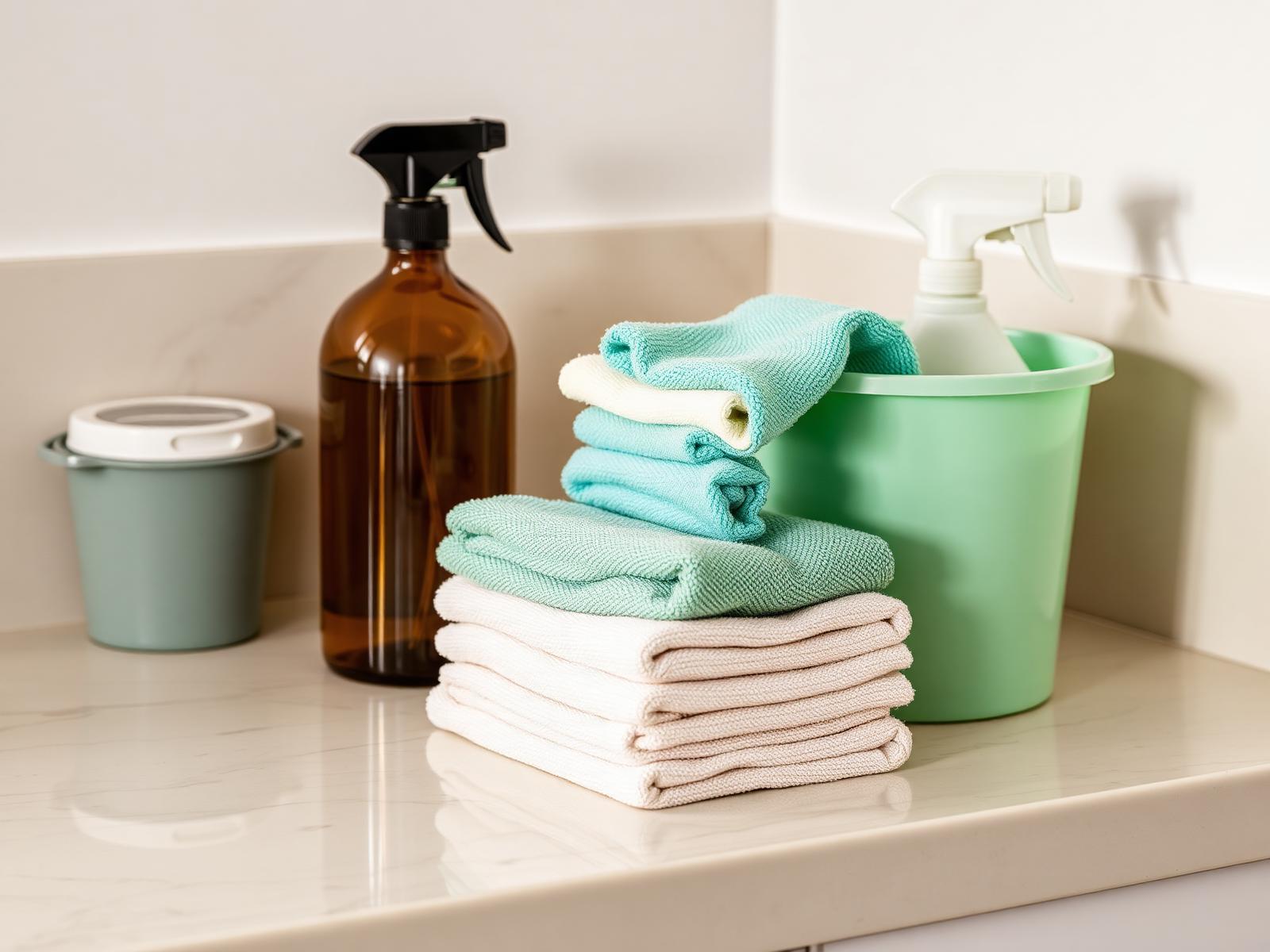
- Microfiber, folded in quarters, outperforms paper towels and most sprays.
- Clean top to bottom and dry to wet, every time, in every room.
- More product is not better and often leaves residue that attracts more soil.
- Ten minutes a day beats three hours on Saturday, in both effort and result.
1. Let the product sit
The most common mistake we see is spraying and immediately wiping. Cleaning products need dwell time to break down soil, and disinfectants have a required contact time printed on the label — often several minutes of the surface staying visibly wet. Wipe too soon and you have done the physical work without the chemical help.
Professional routine: spray the shower and the toilet first, then clean the mirror, the vanity and the fixtures, then come back. The product has been working the whole time.
2. Microfiber, folded in quarters
A folded microfiber cloth gives you eight clean surfaces. Most people use one face of a bunched-up rag and then spread the same soil around the room. Fold it, use a face until it is soiled, rotate.
Wash microfiber separately, skip fabric softener — it coats the fibers and destroys the grab — and keep colors assigned to zones so a bathroom cloth never meets a kitchen counter.
3. Top to bottom, dry before wet
Gravity is undefeated. Dust falls. If you vacuum before you dust the shelves, you vacuum twice. Work ceiling fans, then upper surfaces, then furniture, then floors. Within that, dry-dust before you introduce moisture, because damp dust becomes grime.
4. Use less product than you think
Over-application leaves residue, and residue is sticky, which attracts soil faster than a clean surface would. Floors are the worst offender — a heavily dosed mop bucket leaves a dull film that makes the floor look dirty within days.
Follow the dilution on the label. It is not a suggestion; it is the ratio the product was tested at.
5. Know your surfaces before you clean them
Manufacturer care guidance is specific and widely ignored. A few of the most common in Houston-area homes:
- Natural stone (marble, travertine, many granites): pH-neutral cleaners only; acidic products including vinegar can etch the surface permanently
- Quartz: avoid abrasive pads and high-alkaline or acidic cleaners; most makers advise mild soap and water
- Luxury vinyl plank: most manufacturers advise against steam mops and standing water; damp-mop only
- Hardwood: minimal moisture, and only a cleaner rated for the finish
- Stainless steel: wipe with the grain, and dry — most "streaks" are evaporated water
6. Never mix cleaning products
Bleach mixed with ammonia, or with acidic cleaners such as vinegar or many toilet bowl products, produces hazardous gases. The American Cleaning Institute's safe-use guidance is unambiguous: use one product at a time, rinse between products, and never combine them in a bucket or a spray bottle.
The same applies to ventilation — open a window or run an exhaust fan when using strong products in a small bathroom.
7. High-touch points are the highest-value ten seconds
Light switches, door handles, cabinet pulls, faucet handles, remote controls, refrigerator door handles, and the flush lever. The CDC's household guidance emphasizes routine cleaning of frequently touched surfaces, and these take a few seconds each with a cloth you already have in your hand.
8. Clutter is not dirt, but it makes dirt inevitable
A cluttered counter cannot be wiped. It can only be worked around, which means the soil under the clutter stays put indefinitely. Ten minutes clearing surfaces before cleaning saves more time than any product or technique on this list.
The same logic applies to professional visits — see how to prepare your home before your cleaning appointment.
9. Prevention beats cleaning, every time
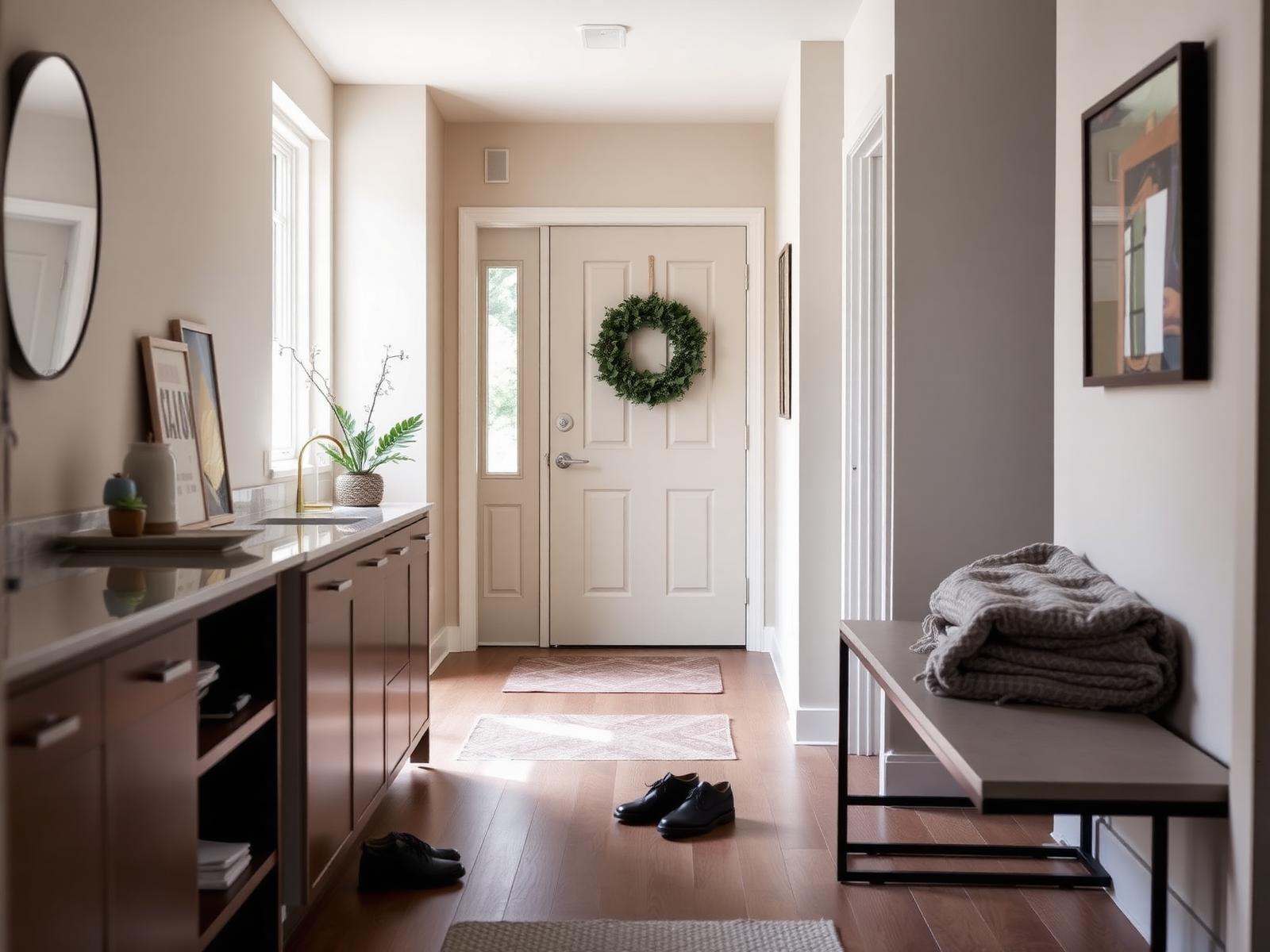
- Shoes off at the door — the single biggest reduction in tracked soil, especially in sandy West Houston neighborhoods
- Squeegee the shower after use; mineral spotting only forms when water dries in place
- Run the range hood when cooking; airborne grease lands on every surface in the kitchen
- Wipe spills immediately, before they become a set stain
- Use trivets, coasters and cutting boards — most "cleaning problems" on countertops are actually surface damage
- Run bathroom fans during and after showers to control moisture
10. Ten minutes a day beats three hours on Saturday
Homes do not get dirty evenly; they get dirty in the kitchen and the bathrooms. A ten-minute nightly loop — counters wiped, dishes in, floors clear, bathroom vanity wiped — keeps the whole house from ever reaching the state that requires a lost weekend.
That loop also makes professional visits more valuable. When the team is not doing catch-up, they spend the visit on detail work you would never get to.
And one more: it is fine to hand it off
Plenty of capable people hire cleaners. Time is the scarcest thing most households have, and a recurring cleaning schedule buys back several hours a month. If it has been a while since a thorough reset, start with a deep clean and maintain from there — our guide to choosing a frequency helps you pick.
See what a standard visit includes, review pricing, read the FAQs, or book online. Residential cleaning is available across Katy, Cypress, Richmond, Tomball, Memorial, The Heights, Downtown Houston and the surrounding service areas.
References & further reading
Guidance in this article is summarized from publicly available sources.
Frequently asked questions
What is the most useful cleaning tool to own?
A set of good microfiber cloths, kept in zones and washed without fabric softener. They outperform paper towels on nearly every surface and reduce how much product you need.
How long should cleaning products sit before wiping?
Follow the label. General cleaners benefit from a minute or two of dwell time; disinfectants list a required contact time, often several minutes of the surface remaining visibly wet.
Is vinegar a good all-purpose cleaner?
It has uses, particularly on mineral deposits on glass and chrome, but it is acidic and can permanently etch marble, travertine and some granites. It should also never be combined with bleach.
Should I clean floors first or last?
Last, always. Dust and debris fall while you clean everything above, so floors done first simply get dirty again.
How can I keep my home cleaner with a full schedule?
A short daily loop focused on kitchens, bathrooms and floors does most of the work. Pair that with a professional visit on a regular schedule and the home never reaches a state that requires a full weekend to recover.